

Venezuela And Cuba
I visited the Cuba three times this year. I'm worried for its future.
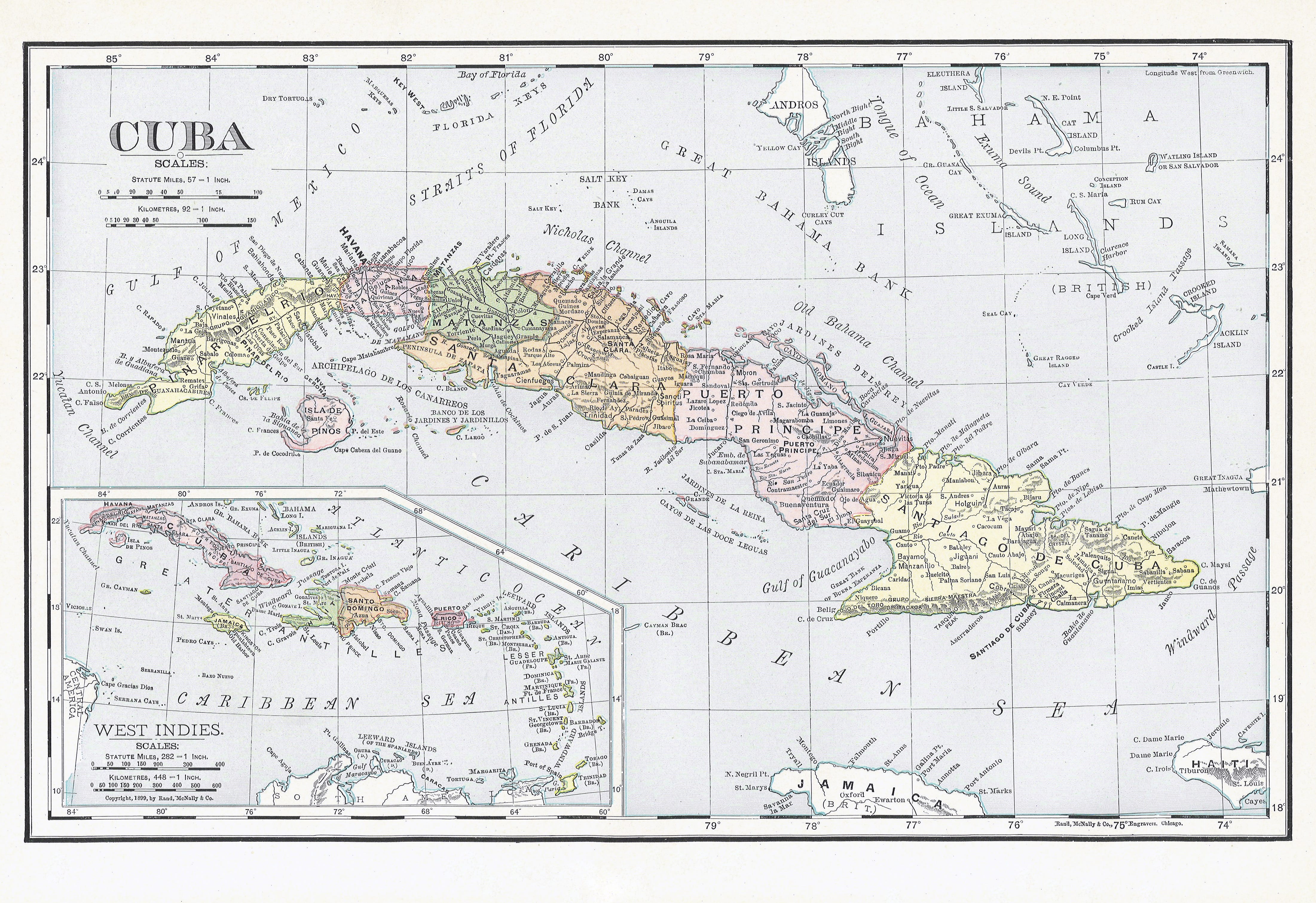
It is odd to begin writing this story on the morning after my country kidnapped the president of Venezuela. No matter what your feelings are on Nicolas Maduro, the current leader of Venezuela, having the U.S. swoop in and snatch him in the middle of the night so he can be put on trial in New York is illegal and should not be seen as an acceptable thing to do. It’s a move that sends a dangerous signal to countries across the globe, has the potential to destabilize the region, and evokes a long, troubled history of US involvement in Latin America.
When the buildup of troops began months ago, and the Pentagon began haphazardly blowing up boats in the Caribbean, there was at least a patina of a justifiable reason for these actions. They claimed this was all about drugs. They claimed that drugs were killing tens of thousands of people per year and that this was their effort to stop the flow.
This justification, of course, fell apart immediately after coming under the slightest amount of scrutiny. As it turns out, if the US truly cared about drugs, Venezuela isn’t anywhere near the top of the list of countries you’d try to pressure for change. Mexico and Colombia are far more responsible for drugs like cocaine and fentanyl flowing into the United States. Additionally, President Trump recently pardoned the former president of Honduras, Juan Orlando Hernandez, a notorious drug trafficker, convicted by a jury of shipping hundreds of tons of cocaine into the US and sentenced to 45 years in prison. Finally, randomly blowing up boats in the Caribbean is not a serious effort at stopping drugs; those efforts amount to a drop in the bucket when it comes to stopping the total flow of drugs into the United States.
What is obvious is that drugs were and still are merely a pretense. The true goals of the administration, from Trump all the way down, are clear as day, mostly due to Trump admitting it multiple times on camera. The US isn’t interested in being some historic savior of the Venezuelan people. Trump isn’t here to grace Venezuela with democracy or make a material difference in the lives of everyday Venezuelans. All he wants is the oil, in fact, claiming that it somehow belongs to the United States, and if he can install a more compliant leader as president in Venezuela, he will do so, even if that person is literally Nicolas Maduro’s vice president. Keep the oil dollars flowing, don’t send oil to our adversaries, and he’ll allow just about anything.
To his credit, though, it’s rare to see politicians be so honest about the greedy and bloodthirsty nature of US foreign policy. I do wonder, though, what the administration’s plan is. If Trump cared to examine even recent history, he would see it littered with US regime-change failures that often leave chaos and death in their wake. You don’t have to go that far back. Iraq, Afghanistan, and Libya are right there, arguably far worse off now than they were before we got involved. I wonder why he or his administration or all the Venezuelans celebrating in Florida think this time will be different?
The Cuban Element
The original idea for this post was to share my most recent visit to Cuba, a country I have grown to love and admire after a third visit in December. I planned to talk about attending the Havana Film Festival, where I would see many wonderful films from countries across the globe. I would mention my experience shooting a short film called Last Thread in Cuba this past summer with a fellow Cuban filmmaker. I would also talk about my perspective of life there: what it was like day to day, the hardships I saw, and the beautiful moments as well.
Perhaps those tidbits will come in another post on another day. The reason I mention Cuba now is that in Trump’s maniacal press conference, talking about stealing the oil of Venezuela, he was asked about the fate of Cuba. After also threatening the president of Colombia, the response from Marco Rubio, Trump’s Secretary of State, signaled that the warmongering administration might be setting its sights on the Caribbean nation, saying, “If I lived in Havana and I was in the government, I’d be concerned, at least a little bit.”
What that means in practice is anyone’s guess right now, and only time will tell. What remains true is that life in Cuba, which is already challenging, is likely to get even more difficult. The country, already plagued by blackouts due to a myriad of issues, including fuel shortages and aging equipment, will be plunged into even more darkness. Additionally, while Cuban doctors and their healthcare system have accomplished much in the face of great challenges, shortages of critical supplies and medicines persist, causing perfectly manageable diseases to be exacerbated and cause great suffering.
It seems unmistakable to me after visiting that lifting the sanctions would improve life there overnight. The same is true for Venezuela and many other countries across the globe that remain strangled economically by the United States. Critics of the Cuban government love to say that the sanctions aren’t working anyway and are really just a convenient excuse for the country’s problems. Well, if that’s the case, wouldn’t taking away the sanctions be the ultimate test?
We may never know, because what the US government and people in Florida usually mean when they claim to want to help the Cuban people, the Venezuelan people, and all the other peoples of the world on the receiving end of the United State’s foreign policy is that they want to plunder more resources from the country, starve it of needed fuel, and destroy and destabilize until there is nothing left. That is the truth. So when you hear and read that people are celebrating in the wake of an action like that, know that, of course, those sitting pretty in Florida and elsewhere around the globe would celebrate. They don’t have to face the direct consequences of the reckless US government they support.


